

Filter
Blogs
26 results


Laboratoo Admin
What CAP Accreditation Means for Patients and Healthcare Providers
Why CAP Accreditation Matters in Healthcare Diagnostics In modern healthcare, accuracy and reliability are critical — especially when it comes to laboratory testing. Medical decisions, diagnoses, and treatment plans often depend on laboratory results. This is why laboratory accreditation has become an essential standard for quality and patient safety worldwide. One of the most recognized laboratory accreditation programs globally is CAP Accreditation. What is CAP Accreditation? CAP stands for the College of American Pathologists, an internationally recognized organization that sets high-quality standards for medical laboratories. CAP accreditation is awarded to laboratories that meet strict requirements related to: Quality managementLaboratory proceduresEquipment standardsStaff qualificationsPatient safetyAccuracy of test resultsOperational excellence The CAP accreditation process involves detailed inspections and continuous evaluations to ensure laboratories consistently maintain international best practices. Why CAP Accreditation is Important Laboratory testing plays a major role in healthcare decisions. Inaccurate or delayed test results can affect diagnosis and treatment outcomes. CAP-accredited laboratories are recognized for maintaining high levels of precision, safety, and reliability. Choosing a CAP-accredited laboratory gives patients and healthcare providers greater confidence in: Test accuracy Laboratory quality standards Professional procedures Reliable reporting Patient safety practices CAP accreditation also demonstrates a laboratory’s commitment to continuous improvement and international healthcare standards. Benefits for Patients For patients, CAP accreditation provides reassurance that the laboratory follows globally accepted quality standards. Patients benefit from: More reliable diagnostic results Better quality control Reduced testing errors Improved patient safety Confidence in healthcare decisions In preventive healthcare and chronic disease management, accurate laboratory testing is especially important because early detection often depends on precise diagnostic results. Benefits for Laboratories CAP accreditation also strengthens the reputation and operational performance of laboratories. Accredited laboratories often experience: Increased patient trust Stronger market reputation Improved operational efficiency Better compliance with international standards Competitive advantage in the healthcare industry In today’s digital healthcare environment, accreditation can also help laboratories stand out on healthcare marketplaces and online booking platforms where patients actively compare providers. CAP Accreditation and the Future of Healthcare As healthcare becomes more patient-centered and technology-driven, transparency and quality assurance are becoming more important than ever. Patients are increasingly informed and selective when choosing healthcare providers. CAP accreditation serves as a strong indicator of quality and professionalism in the diagnostics industry. It reflects a laboratory’s dedication to maintaining international standards and delivering dependable healthcare services. Healthcare platforms, hospitals, and diagnostic marketplaces are also increasingly prioritizing partnerships with accredited laboratories to ensure higher service quality and patient satisfaction. Building Trust Through Quality Trust is one of the most important elements in healthcare. Patients rely on laboratories for critical health information that may directly impact treatment decisions and long-term health outcomes. CAP accreditation helps build that trust by ensuring laboratories operate according to globally recognized standards of excellence. In an industry where accuracy matters every day, accreditation is more than a certification — it is a commitment to quality, safety, and patient care.

Laboratoo Admin
How Lifestyle Choices Affect Your Lab Test Results
Your lab test results are not just numbers—they reflect your daily habits and lifestyle choices. From what you eat to how you sleep, every aspect of your routine can influence your health markers. Nutrition plays a major role. A diet high in processed foods and sugar can lead to elevated blood sugar and cholesterol levels. On the other hand, a balanced diet rich in fruits, vegetables, and healthy fats supports better metabolic health. Physical activity is another key factor. Regular exercise helps improve cardiovascular health, regulate blood sugar, and maintain a healthy weight. Even moderate activity can have a significant impact on your lab results. Sleep is often overlooked but equally important. Poor sleep can disrupt hormone levels, increase stress, and negatively affect metabolism. This can lead to abnormal test results, particularly in glucose and cortisol levels. Stress management is also crucial. Chronic stress can elevate cortisol levels and impact various systems in the body. Finding ways to relax, such as meditation or exercise, can help maintain balance. Hydration affects many lab markers as well. Dehydration can concentrate your blood, leading to misleading results. Drinking enough water before tests (unless fasting is required) is essential. Smoking and alcohol consumption can significantly impact your health. Smoking affects oxygen levels and increases the risk of cardiovascular disease, while excessive alcohol can damage the liver and alter liver function tests. Regular testing allows you to see how your lifestyle choices affect your health. By comparing lab tests over time, you can measure progress and make necessary adjustments. Using platforms that allow you to book lab tests online makes it easier to stay consistent. You can schedule tests, track results, and monitor improvements. Ultimately, your lifestyle is the foundation of your health. By making small, consistent changes and monitoring your progress through lab testing, you can achieve better results and improve your overall well-being.

Laboratoo Admin
5 Essential Health Tests You Should Do Every Year
Preventive healthcare is the foundation of long-term wellness. Instead of waiting for symptoms to appear, regular health checkups allow you to detect potential issues early and take action before they become serious. Annual testing is one of the simplest ways to stay on top of your health. Here are five essential tests you should consider every year. First, the Complete Blood Count (CBC). This test provides a snapshot of your overall health by measuring red blood cells, white blood cells, and platelets. It can help detect anemia, infections, and other underlying conditions. Second, the blood sugar test. Monitoring your glucose levels is crucial for detecting diabetes or prediabetes. Even if you feel fine, elevated blood sugar can go unnoticed for years. Early detection allows you to make lifestyle changes and avoid complications. Third, the lipid profile. This test measures cholesterol levels, including LDL (bad cholesterol) and HDL (good cholesterol). High cholesterol is a major risk factor for heart disease, making this test essential for long-term cardiovascular health. Fourth, liver and kidney function tests. These tests evaluate how well your organs are performing. The liver plays a key role in detoxification, while the kidneys filter waste from the blood. Abnormal results may indicate early signs of disease. Fifth, vitamin D and B12 tests. Nutritional deficiencies are common and can affect energy levels, mood, and immunity. Identifying and correcting these deficiencies can significantly improve your quality of life. Booking these tests has become much easier with digital platforms. You can compare lab tests, check blood test prices, and choose the most convenient option. Many providers also offer health checkup packages that include all these tests at a discounted rate. Consistency is key. Doing these tests once is helpful, but tracking your results over time provides deeper insights into your health trends. This allows you to make informed decisions and adjust your lifestyle accordingly. Preventive health is not just about avoiding disease—it’s about optimizing your well-being. By making annual testing a habit and using tools that simplify booking and comparison, you can take control of your health and live with confidence.

Laboratoo Admin
What Is a Blood Test and Why It Matters for Your Health
Blood tests are one of the most important tools in modern healthcare. They provide a clear picture of what’s happening inside your body, helping detect diseases early, monitor ongoing conditions, and guide treatment decisions. Whether you’re doing a routine checkup or investigating symptoms, understanding blood tests can help you make smarter health choices. A blood test measures different components in your blood, including red blood cells, white blood cells, platelets, glucose levels, cholesterol, hormones, and more. Each marker tells a story about how your organs are functioning. For example, high cholesterol may indicate increased risk of heart disease, while abnormal liver enzymes could signal liver stress or damage. One of the biggest advantages of blood testing is early detection. Many conditions—such as diabetes, thyroid disorders, anemia, and vitamin deficiencies—develop silently. You may not notice symptoms until the condition has progressed. Regular testing helps identify these issues before they become serious, allowing for timely intervention. There are different types of blood tests depending on your needs. A Complete Blood Count (CBC) evaluates overall health and detects infections or anemia. A lipid profile measures cholesterol levels and assesses heart risk. Liver and kidney function tests check how well these vital organs are working. Hormonal tests provide insights into metabolism, fertility, and stress levels. Another important factor is frequency. Many healthcare professionals recommend annual blood tests, even if you feel healthy. If you have existing conditions, your doctor may suggest more frequent monitoring. Today, accessing blood tests is easier than ever. Instead of visiting multiple labs, you can compare lab tests online, check prices, and book appointments instantly. Platforms like Laboratoo simplify the process by bringing multiple providers into one place. This not only saves time but also ensures transparency in pricing and services. Cost is another consideration. Blood test prices can vary significantly between laboratories for the same test. Comparing options helps you get the best value without compromising quality. Some labs also offer health checkup packages that bundle multiple tests at a lower price. Preparation is key to getting accurate results. Some tests require fasting, while others may need to be done at specific times of the day. Always follow the instructions provided by your lab or healthcare provider. In conclusion, blood tests are a powerful tool for maintaining and improving your health. They provide actionable insights, support early detection, and help you stay in control of your well-being. By understanding what these tests do and using platforms that allow you to compare and book lab tests easily, you can take a proactive approach to your health.

Laboratoo Admin
How to Read Your Blood Test Results Like a Pro
Receiving your blood test results can be confusing, especially with all the medical terms and numbers. Understanding your results helps you take control of your health—and Laboratoo makes accessing them simple. Each test includes a reference range, which indicates normal values. However, “normal” doesn’t always mean optimal. Your ideal range may vary based on age, lifestyle, and health goals. For example, cholesterol levels within the normal range may still be higher than optimal for heart health. Similarly, vitamin levels can be technically normal but not sufficient for peak performance. It’s important to look at trends over time rather than a single result. Regular testing allows you to track improvements or identify patterns. Always interpret your results in context. Symptoms, medical history, and lifestyle all play a role. Consulting a healthcare professional is recommended for accurate interpretation. Laboratoo allows you to store and access your reports in one place, making it easier to track your health over time. Understanding your results transforms you from a passive patient into an informed decision-maker. And that’s the future of healthcare.
Laboratoo Admin
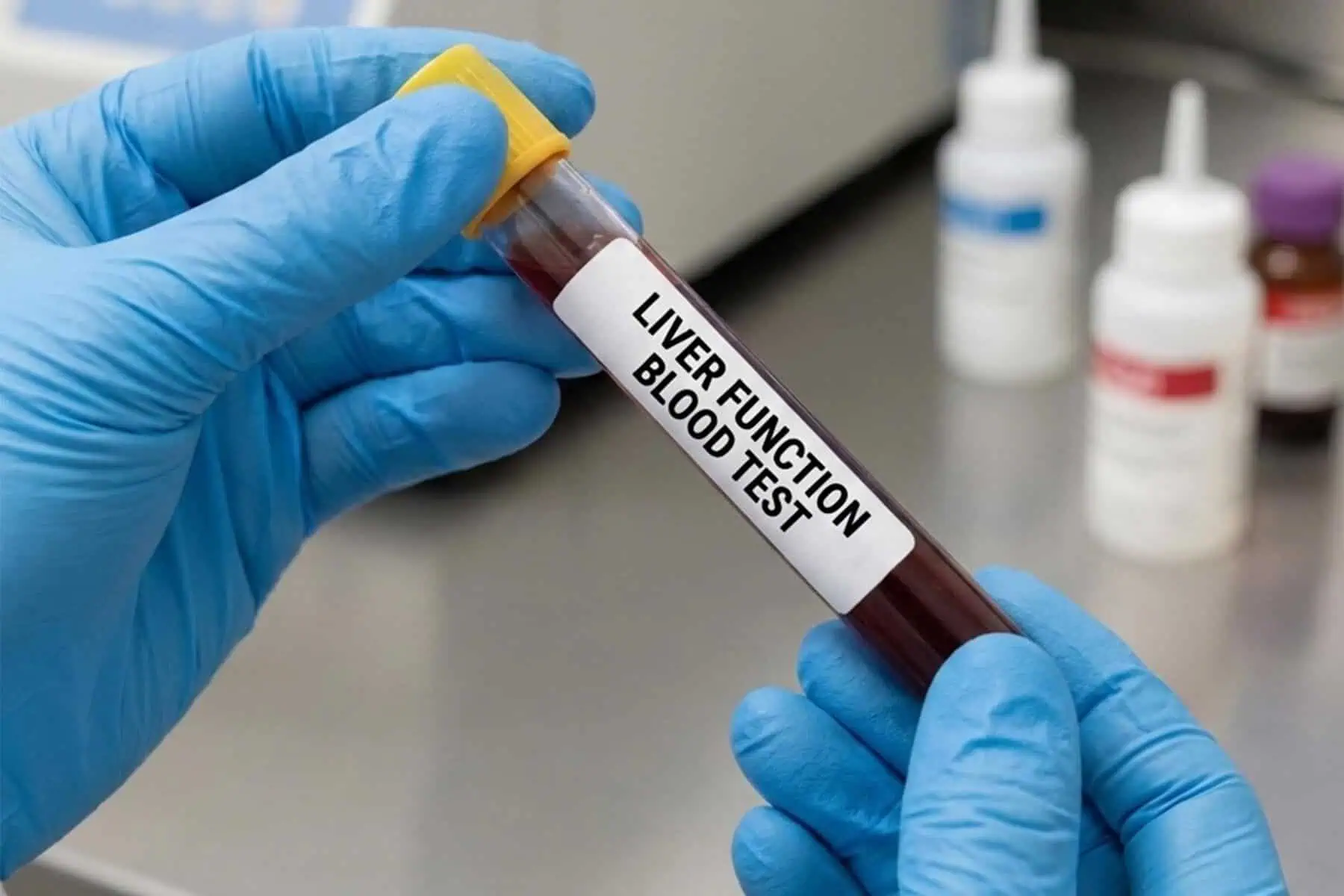
When Should You Get a Liver Function Blood Test Done?
Your liver plays a vital role in keeping your body healthy. It helps process nutrients, filter toxins, and support metabolism. However, many liver conditions develop silently without noticeable symptoms. This is why a liver function blood test is an important tool for early detection and ongoing health monitoring.What is a liver function testA liver function test is a group of blood tests that evaluate how well your liver is working. It typically includes markers such as ALT, AST, ALP, bilirubin, and proteins like albumin. These markers help detect inflammation, damage, or dysfunction in the liver. Rather than relying on a single value, the combination of these markers provides a complete picture of liver health.When should you consider a liver function testThere are several situations where getting a liver function test is recommended. If you experience symptoms such as fatigue, yellowing of the skin or eyes, dark urine, abdominal pain, or unexplained weight loss, a liver test can help identify the cause. Even without symptoms, you may still need testing if you have certain risk factors. These include frequent alcohol consumption, obesity, diabetes, high cholesterol, or a history of liver disease in your family. People taking long-term medications should also monitor their liver health regularly, as some medications can affect liver function over time. Routine health checkups often include liver tests as part of a full body screening. This helps detect early changes before symptoms appear.Why early testing mattersThe liver has a strong ability to regenerate, which means early detection can make a significant difference. Identifying issues early allows for lifestyle changes or treatment that can prevent further damage. Delaying testing may result in conditions progressing without notice, making treatment more complex later on.How often should you get testedFor most individuals, including liver function tests once a year as part of a routine health checkup is sufficient. However, if you have risk factors or existing conditions, your doctor may recommend more frequent testing. Tracking your results over time is important. Trends can reveal changes that a single test might not show.How to prepare for the testPreparation for a liver function test is usually simple. Some tests may require fasting for several hours, while others do not. It is important to follow the instructions provided when booking your test. Avoid alcohol before the test, as it can temporarily affect your liver enzyme levels and lead to inaccurate results.Understanding your resultsInterpreting liver function tests requires looking at all markers together. Elevated enzymes such as ALT and AST may indicate inflammation or liver stress, while abnormal bilirubin levels can suggest issues with bile flow. Normal ranges vary between laboratories, so results should always be reviewed in context. If any values are outside the normal range, further evaluation may be needed. Regular monitoring helps you understand your baseline and detect changes early.Book your liver function test on LaboratooLaboratoo makes it easy to take control of your health. You can compare liver function test packages across multiple laboratories, review what is included, and choose the option that fits your needs. With transparent pricing and the ability to book online, you save time and avoid unnecessary hassle. Many labs also offer home sample collection, making testing more convenient.Final thoughtsA liver function blood test is a simple yet essential step in maintaining your health. Whether you have symptoms, risk factors, or simply want to stay proactive, regular testing can provide valuable insights. With Laboratoo, you can compare, choose, and book your tests, giving you full control over your health journey.