


Your liver
plays a vital role in keeping your body healthy. It helps process nutrients,
filter toxins, and support metabolism. However, many liver conditions develop
silently without noticeable symptoms. This is why a liver function blood test
is an important tool for early detection and ongoing health monitoring.
What is a
liver function test
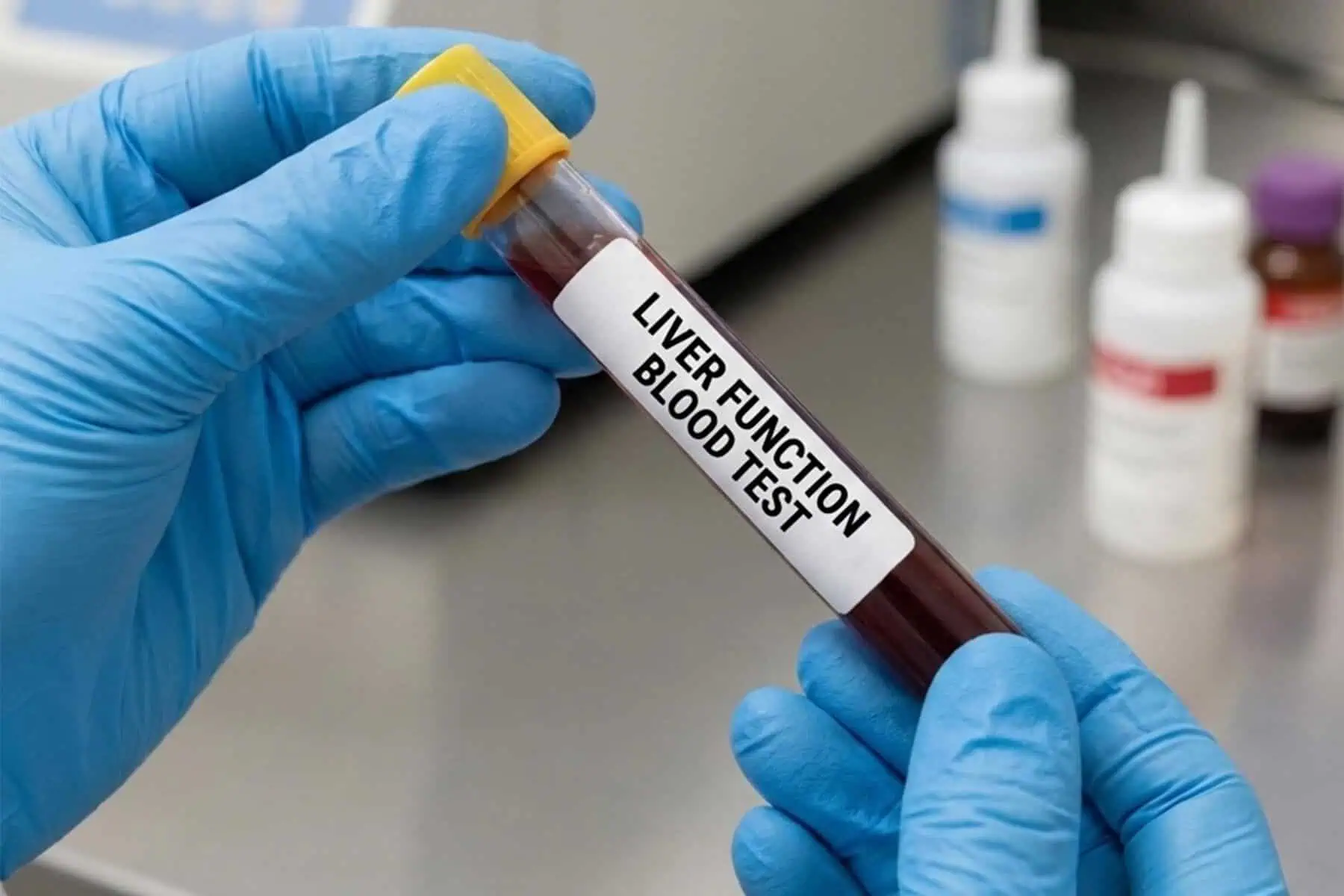
A liver function test is a group of blood tests that evaluate how well your liver is working. It typically includes markers such as ALT, AST, ALP, bilirubin, and proteins like albumin. These markers help detect inflammation, damage, or dysfunction in the liver. Rather than relying on a single value, the combination of these markers provides a complete picture of liver health.
When should
you consider a liver function test
There are several situations where getting a liver function test is recommended. If you experience symptoms such as fatigue, yellowing of the skin or eyes, dark urine, abdominal pain, or unexplained weight loss, a liver test can help identify the cause. Even without symptoms, you may still need testing if you have certain risk factors. These include frequent alcohol consumption, obesity, diabetes, high cholesterol, or a history of liver disease in your family. People taking long-term medications should also monitor their liver health regularly, as some medications can affect liver function over time. Routine health checkups often include liver tests as part of a full body screening. This helps detect early changes before symptoms appear.
Why
early testing matters
The liver has a strong ability to regenerate, which means early detection can make a significant difference. Identifying issues early allows for lifestyle changes or treatment that can prevent further damage. Delaying testing may result in conditions progressing without notice, making treatment more complex later on.
How
often should you get tested
For most individuals, including liver function tests once a year as part of a routine health checkup is sufficient. However, if you have risk factors or existing conditions, your doctor may recommend more frequent testing. Tracking your results over time is important. Trends can reveal changes that a single test might not show.
How
to prepare for the test
Preparation for a liver function test is usually simple. Some tests may require fasting for several hours, while others do not. It is important to follow the instructions provided when booking your test. Avoid alcohol before the test, as it can temporarily affect your liver enzyme levels and lead to inaccurate results.
Understanding
your results
Interpreting liver function tests requires looking at all markers together. Elevated enzymes such as ALT and AST may indicate inflammation or liver stress, while abnormal bilirubin levels can suggest issues with bile flow. Normal ranges vary between laboratories, so results should always be reviewed in context. If any values are outside the normal range, further evaluation may be needed. Regular monitoring helps you understand your baseline and detect changes early.
Book
your liver function test on Laboratoo
Laboratoo makes it easy to take control of your health. You can compare liver function test packages across multiple laboratories, review what is included, and choose the option that fits your needs. With transparent pricing and the ability to book online, you save time and avoid unnecessary hassle. Many labs also offer home sample collection, making testing more convenient.
Final
thoughts
A liver function blood test is a simple yet essential step in maintaining your health. Whether you have symptoms, risk factors, or simply want to stay proactive, regular testing can provide valuable insights. With Laboratoo, you can compare, choose, and book your tests, giving you full control over your health journey.
Write a Comment