


Iron
deficiency is one of the most common nutritional deficiencies worldwide,
affecting energy levels, immunity, and overall health. Many people experience
symptoms like fatigue, weakness, or dizziness without realizing that low iron
levels may be the cause. An iron deficiency profile test helps identify these
issues early and provides a clear picture of your body’s iron status.
What is an
iron deficiency profile test
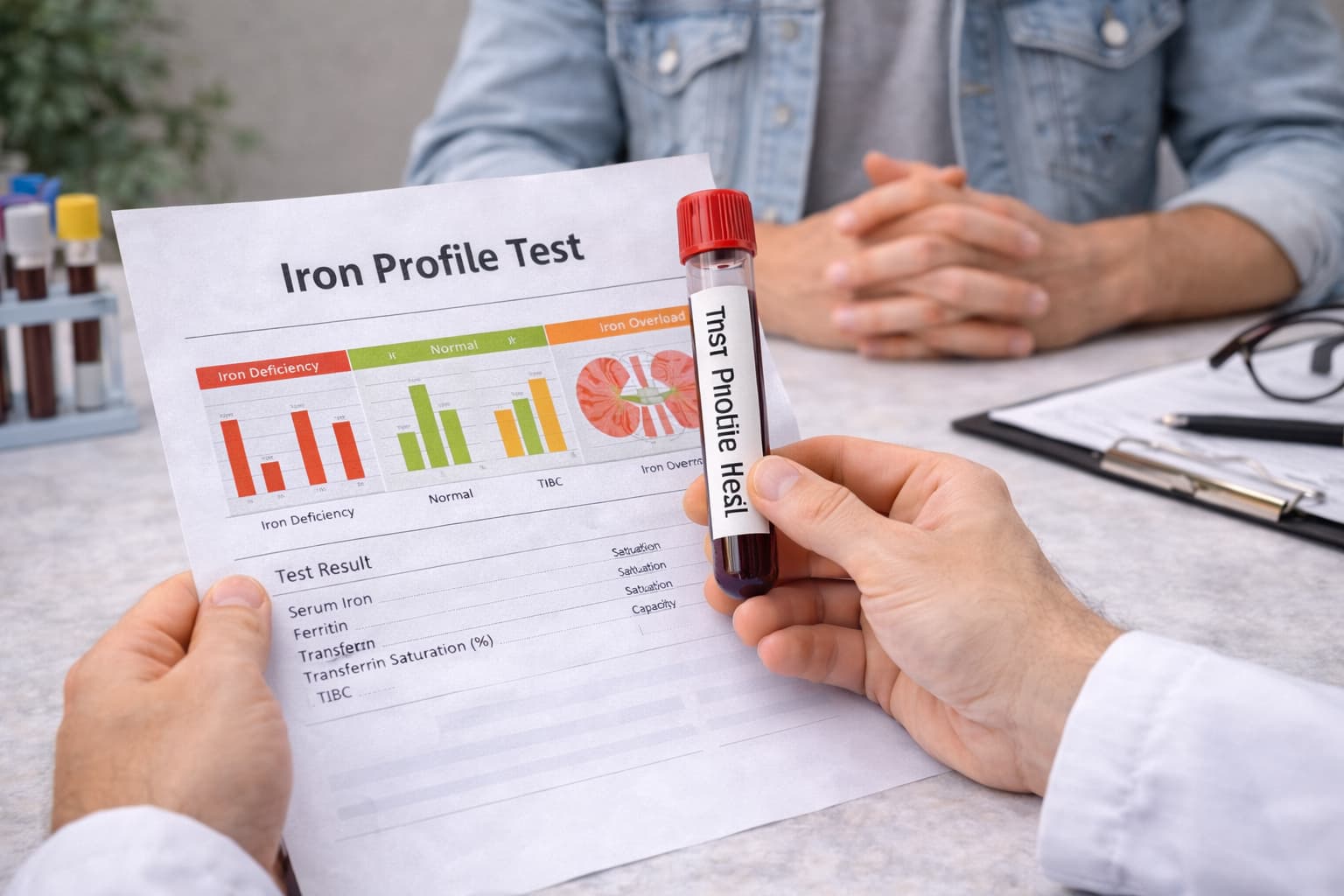
An iron deficiency profile is a group of blood tests that measure how much iron is in your body and how well it is being used. Instead of relying on a single marker, this profile gives a more complete and accurate assessment. A typical iron profile includes serum iron, ferritin, total iron binding capacity, and transferrin saturation. Each of these markers plays a role in understanding iron levels. Ferritin reflects stored iron, while serum iron measures circulating iron in the blood. Total iron binding capacity shows how well your blood can carry iron, and transferrin saturation indicates how much iron is actually being transported.
Why
this test is important
Iron is essential for producing hemoglobin, which carries oxygen throughout the body. When iron levels are low, your body cannot produce enough healthy red blood cells, leading to iron deficiency anemia. Early detection is key. Many people ignore symptoms like tiredness or shortness of breath, assuming they are caused by stress or lack of sleep. However, untreated iron deficiency can lead to more serious health issues over time. This test is especially important for women, as they are more likely to experience iron deficiency due to menstrual blood loss. It is also recommended for individuals with poor diet, chronic conditions, or those experiencing unexplained fatigue.
When
should you consider this test
You should consider an iron deficiency profile if you experience persistent fatigue, weakness, pale skin, headaches, or difficulty concentrating. It is also useful if you are pregnant, following a vegetarian or vegan diet, or recovering from illness. Even without symptoms, regular testing can help detect early imbalances before they become severe.
How
to prepare for the test
Preparation for an iron profile test is simple. Some labs may recommend fasting for a few hours before the test, while others do not require it. It is best to follow the instructions provided at the time of booking. Try to avoid taking iron supplements before the test unless advised by your doctor, as this may affect the results.
Understanding
your results
Interpreting an iron profile requires looking at all markers together rather than individually. Low ferritin levels usually indicate depleted iron stores, while high total iron binding capacity may suggest that your body is trying to capture more iron. Normal ranges can vary depending on age, gender, and laboratory standards. This is why it is important to review your results in context rather than relying on a single number. Tracking your results over time can provide deeper insights into your health and help you monitor improvements after treatment.
Book
your iron profile test on Laboratoo
Getting tested has never been easier. With Laboratoo, you can compare iron deficiency profile tests across multiple laboratories, check prices, and choose the option that suits you best. You can also view exactly what is included in each test, ensuring transparency and helping you make an informed decision. Many providers offer home sample collection, making the process even more convenient.
Final
thoughts
An iron deficiency profile test is a simple yet powerful tool for understanding your health. By identifying low iron levels early, you can take steps to improve your energy, focus, and overall well-being. With easy access to multiple providers through Laboratoo, you can book your test quickly, compare options, and take control of your health with confidence.
Write a Comment