

Loading...

Sending OTP, please wait...

Loading...

Sending Newsletter, please wait...

0+ Bookings

HBA1C (Glycosylated Haemoglobin)
Qatar, Doha Since 2000 0 (0 reviews) Share Now 14 Views

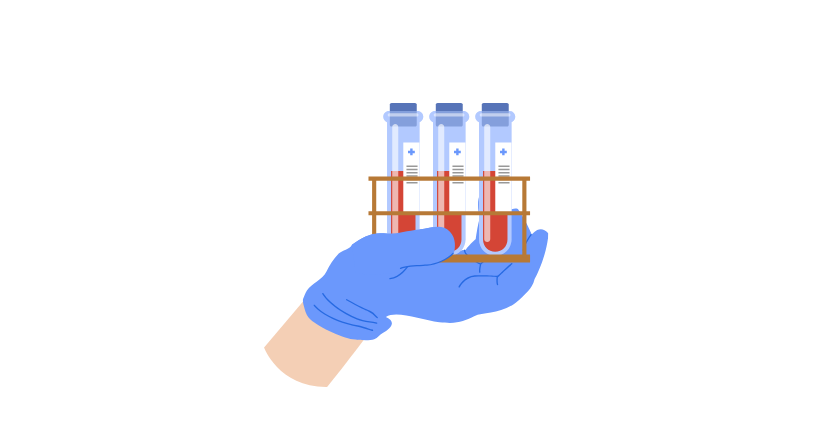
This test measures HbA1c, a form of hemoglobin bound to glucose, reflecting average blood sugar levels over the past 2–3 months and used to diagnose and monitor diabetes.

Lab Assurances
Accredited Facility E-report Qualified Specialists

This test is recommended if you have symptoms of diabetes, such as increased thirst, frequent urination, unexplained weight loss, fatigue, or blurred vision. It is also used as a routine screening for individuals with risk factors like high blood pressure, physical inactivity, or a family history of diabetes.

Usually, no special preparation or fasting is required for the HbA1c test. You can eat, drink, and take your regular medications normally before the blood sample is collected.

For individuals without diabetes, a normal HbA1c level is below 5.7%. A level between 5.7% and 6.4% indicates prediabetes, while a level of 6.5% or higher on two separate tests confirms diabetes.
If you are managing diabetes, it is generally recommended to have this test every 3 to 6 months. For screening purposes, once a year or every few years based on medical advice is standard.
Yes. Conditions that affect red blood cells (such as anemia, sickle cell disease, or recent blood loss) can falsely raise or lower HbA1c levels. Pregnancy can also affect results.

This test is done to measure glycated hemoglobin (HbA1c), which forms when glucose attaches to red blood cells. Because red blood cells live about 2–3 months, HbA1c reflects long-term blood sugar control. It is widely used to diagnose diabetes and monitor ongoing glucose management.

  • If diabetes screening or diagnosis is needed.
  • If monitoring long-term blood sugar control in diabetes.
  • If treatment effectiveness needs evaluation.
  • If a healthcare provider is assessing risk of diabetes complications.
    • Fasting: Not required.
    • No special preparation is usually needed.
    • Inform your healthcare provider about conditions affecting red blood cells (e.g., anemia).
    • Follow any instructions provided by the laboratory or healthcare provider. 
    Reviews (0)
    Customer Reviews & Ratings

    (0.0 out of 5.0)

    Based on 0 Reviews

    5 Star Ratings

    0

    4 Star Ratings

    0

    3 Star Ratings

    0

    2 Star Ratings

    0

    1 Star Ratings

    0

    Starting From

    QR200.00

    Accredited Facility
    E-report
    Qualified Specialists
    Lab Details
    img
    Al Arabi Laboratory & Radiology
    Lab Since

    2000

    Address

    Al Jazira Al Arabiya Street, Doha, Doha, Qatar

    Email

    admin@gulflab-xray.com

    Phone

    +97455856923

    Available Tests

    139

    Location
    Other Nearby Labs
    MiLab Test
    MiLab Test

    Doha, Doha

    Metaboliqa
    Metaboliqa

    Doha, Doha

    Trinite
    Trinite

    Doha, Doha